How Innovation Quietly Improves the Places We Use Every Day
5 min read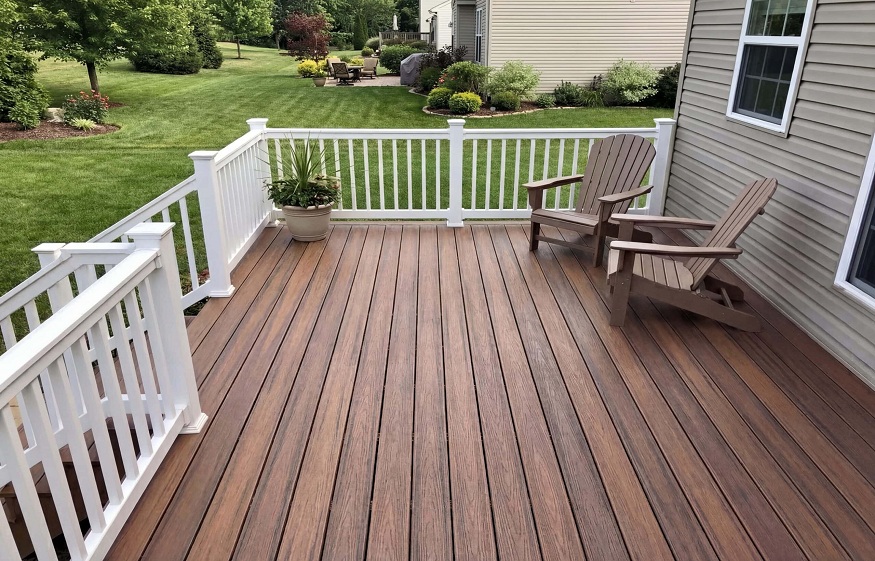
When people talk about innovation, they often imagine grand inventions or bold technologies that transform industries overnight. Yet in the built environment, innovation is usually quieter. It appears in the small, thoughtful improvements that make everyday spaces more comfortable, efficient, and sustainable. These subtle changes rarely attract attention, but they shape how people experience the world around them. From public buildings and offices to schools and transport hubs, quiet innovation makes daily life smoother without demanding recognition.
The Nature of Subtle Progress
Innovation does not always announce itself. It often hides in materials, systems, and design decisions that remove friction from daily routines. The automatic door that opens just before someone reaches it, the lighting that adjusts naturally as the day changes, or the signage that helps visitors find their way without hesitation are all examples of design-led innovation. These improvements work precisely because they do not interrupt or distract. They make spaces feel intuitive and effortless to use.
Read More: What to Expect During a Concrete Fence Installation in Boise?
From Technology to Experience
The most valuable innovations are those that enhance the user experience rather than overwhelm it. Buildings today are filled with technology, but the most successful systems are those that integrate so seamlessly that people forget they exist. Smart lighting, responsive heating, and digital building management systems are designed not to show off their complexity but to make spaces function quietly. This kind of innovation supports comfort and performance, helping people focus on their work or leisure rather than the tools that enable it.
The Role of Observation in Innovation
Quiet innovation begins with observation. Designers, engineers, and facility managers look for patterns of behaviour and identify moments of friction. It may be a queue forming at a doorway, a corner where noise accumulates, or a washroom layout that slows down user flow. These small inefficiencies reveal opportunities for change. Once understood, they can be addressed through design and technology in ways that seem obvious only after they are implemented. The most effective solutions are those that make people wonder how things ever worked differently.
Design That Anticipates Need
Good design anticipates rather than reacts. It considers what users need before they encounter a problem. Automatic systems that adjust airflow or lighting based on occupancy, wayfinding that feels natural, and fixtures that reduce maintenance are all outcomes of forward thinking. In washrooms, for example, innovations such as hand dryers contribute to efficiency by improving hygiene and reducing waste. These details might not stand out individually, but collectively they create environments that function with quiet intelligence.
Sustainability Through Smart Thinking
Innovation today is closely tied to sustainability. The drive to reduce energy use, waste, and carbon emissions has encouraged designers to think creatively about how materials and systems can work harder for longer. Energy-efficient lighting, low-water fixtures, and recycled materials all represent progress achieved through incremental refinement rather than radical change. This kind of innovation extends the life of buildings while reducing their impact on the planet. It is practical, achievable, and measurable. The kind of progress that endures.
Invisible Efficiency
The success of innovation often lies in its invisibility. When a space works well, users should not have to think about how or why it does. Heating, ventilation, and lighting systems should adapt naturally to changing conditions. Digital management tools should improve energy performance without constant input. In well-designed spaces, technology disappears into the background, leaving only the experience of ease and comfort. This quiet approach to efficiency ensures that innovation serves people rather than the other way around.
Improving Everyday Wellbeing
Small innovations have a cumulative impact on wellbeing. Natural light, good acoustics, clean air, and balanced temperatures make people feel more alert and comfortable. Even subtle design decisions, like using tactile materials or adding greenery, contribute to a healthier environment. The connection between design and wellbeing is now widely recognised in business and public settings. A comfortable space encourages longer stays, better focus, and greater satisfaction. Innovation in this context is not about gadgets or novelty but about care and understanding.
Collaboration as a Catalyst
Innovation in design rarely happens in isolation. It comes from collaboration between architects, engineers, product developers, and facility managers who understand how buildings are used every day. By sharing insight and data, these professionals can identify where improvements will have the most impact. This joined-up approach ensures that new ideas are tested against real-world needs. When everyone involved focuses on the user experience, innovation becomes less about technology for its own sake and more about creating spaces that genuinely work.
The Evolution of Everyday Systems
The systems that underpin modern facilities, including lighting, ventilation, cleaning, and energy management, are evolving constantly. Each small advancement builds on years of experience and data. Over time, these incremental improvements create a step change in how efficiently and sustainably buildings operate. Innovation is not a single event but a process of refinement. It is what allows public buildings to handle more people with less energy, or workplaces to feel open and adaptable without losing focus.
Measuring the Impact of Subtle Change
Because quiet innovation often works behind the scenes, its benefits can be easy to overlook. Measuring its impact requires looking at performance data, energy savings, and user satisfaction over time. Reduced maintenance costs, fewer breakdowns, or higher productivity all tell the story of successful innovation. The absence of complaint is often the clearest measure of success. When users stop noticing a problem because it no longer exists, innovation has done its job.
A Future Built on Integration
The future of innovation in design will focus on integration. The goal will not be to add more systems or features but to make existing ones work together more intelligently. This requires open communication between technology, design, and human need. Spaces will become more adaptive, responding automatically to how they are used while remaining visually calm and intuitive. The next wave of innovation will be defined not by spectacle but by subtlety, by progress that supports life quietly and continuously.
For wider commercial, hospitality, or public-facing projects, small supporting details can make the finished space feel more complete. Composite decking can provide a durable, low-maintenance surface for terraces, entrances, outdoor seating areas, and customer-facing spaces; while traditional signage can add character, direction, and brand presence; while digital signage can share changing information, promotions, menus, or wayfinding updates clearly.
Read More: What to Expect During a Concrete Fence Installation in Boise?
Conclusion
Innovation does not always need to announce itself. The most valuable improvements are often the least visible. They are the result of small, deliberate choices that make buildings safer, cleaner, and more comfortable without changing their character. From simple adjustments to advanced technology, quiet innovation helps spaces work better for everyone who uses them. It turns functionality into experience and efficiency into comfort. By focusing on how people live and move within the built environment, designers and engineers continue to prove that the most powerful advances are those that happen quietly in the background, improving life one small step at a time.